

Best for
Who uses thermal imaging in the field?
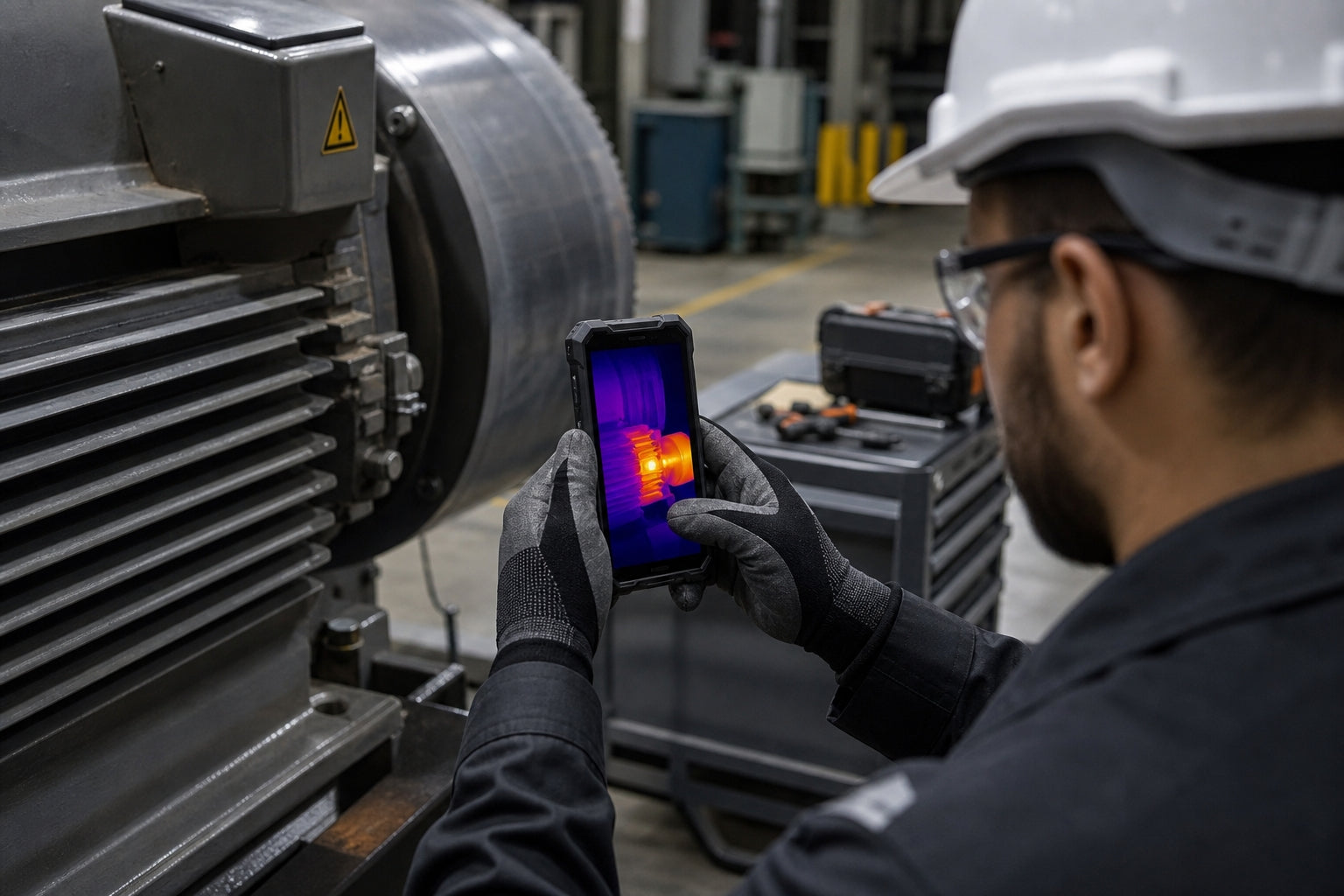
Industrial teams
Check machinery, equipment surfaces and abnormal heat patterns during daily inspection.
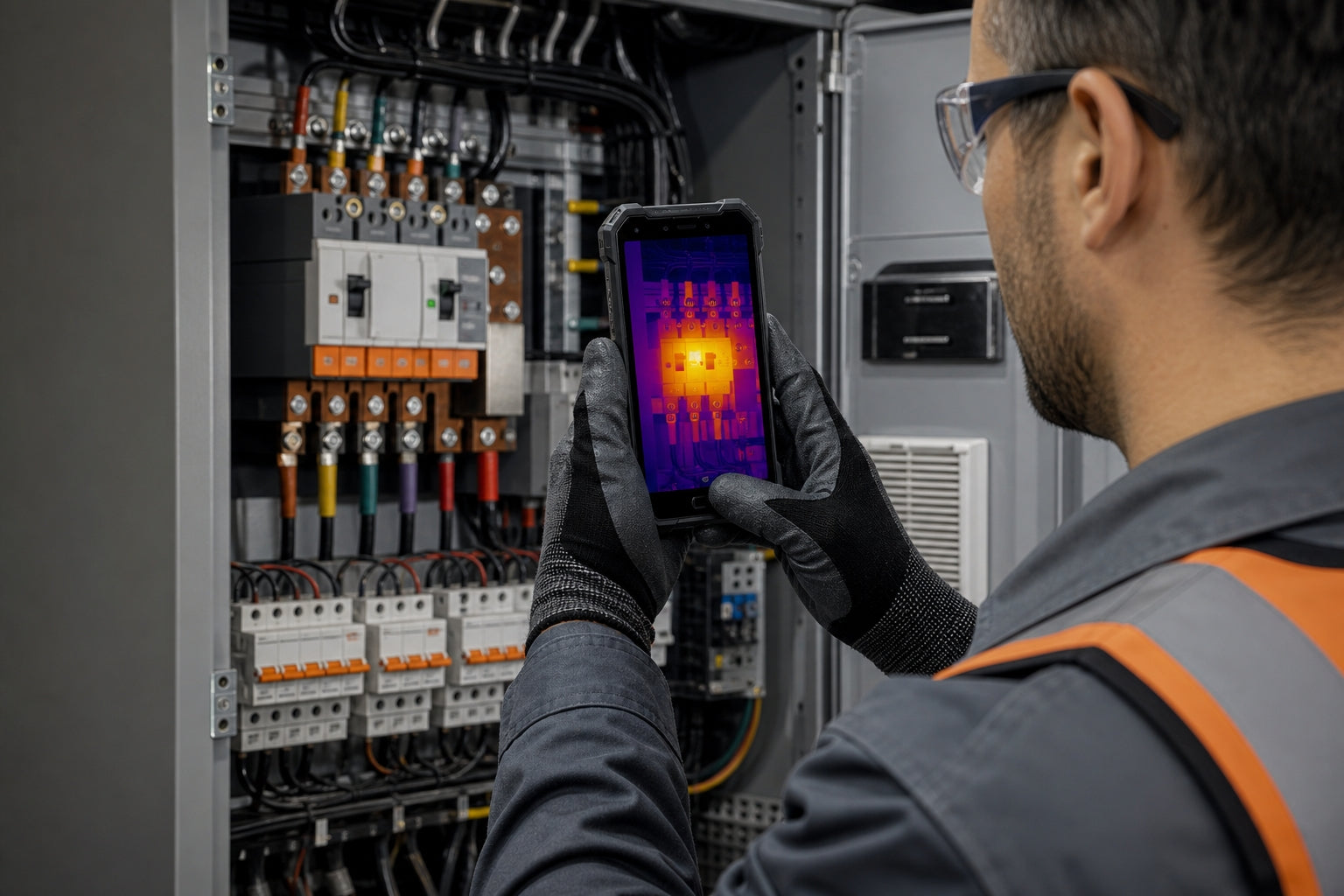
Electrical work
Look for suspicious heat around cabinets, connectors, breakers or loaded components.
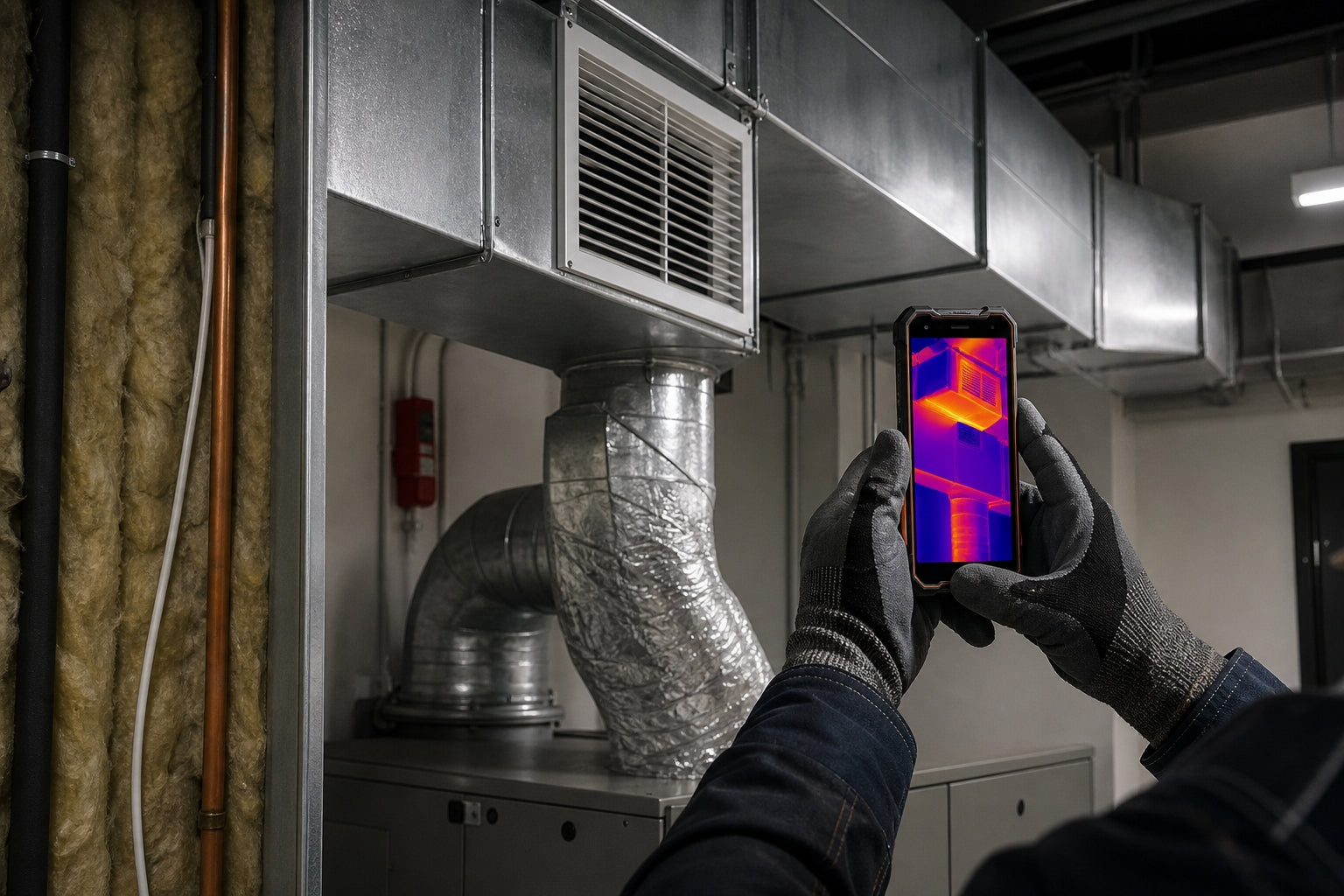
HVAC and building
Find temperature differences around ducts, insulation, vents, walls and service areas.
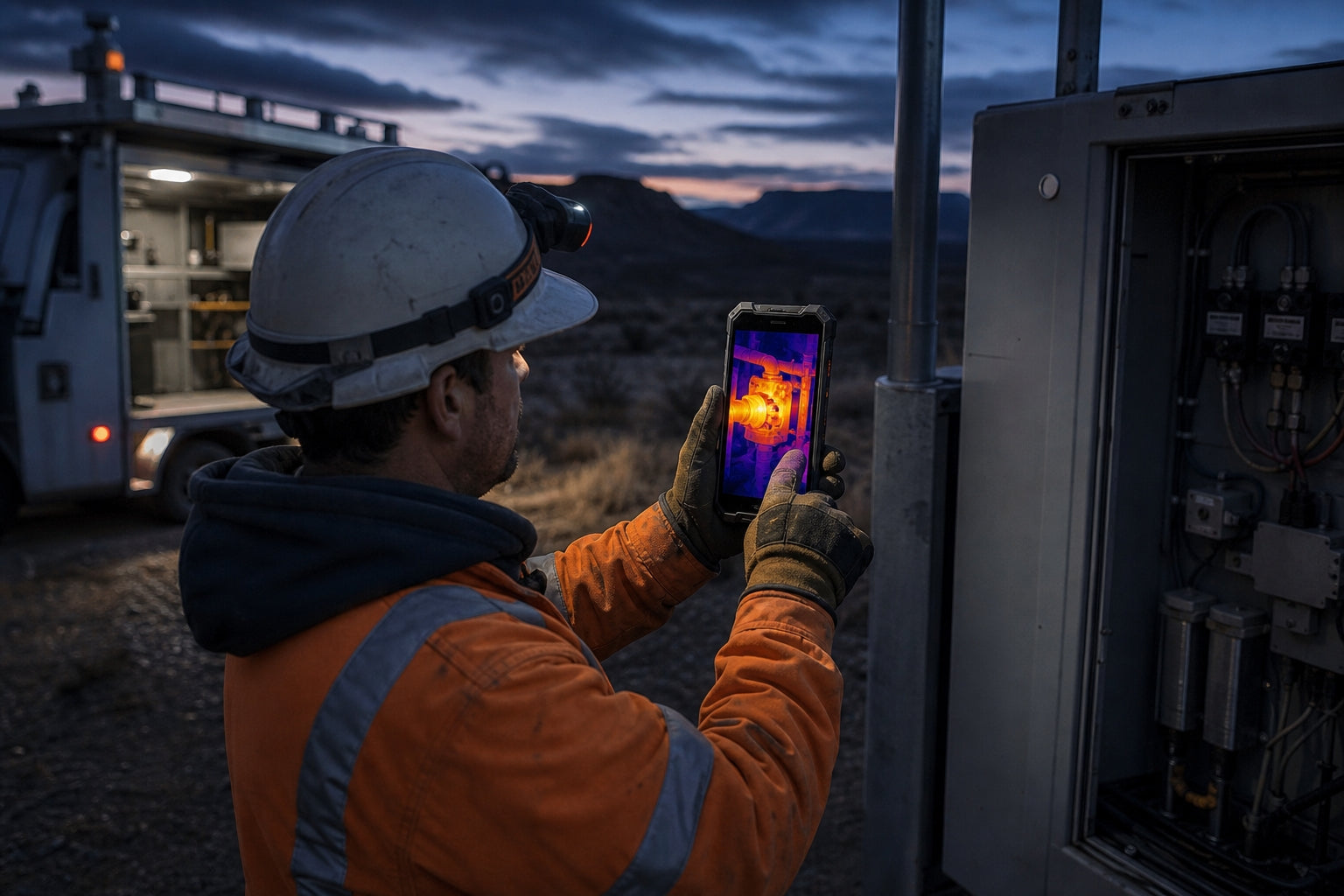
Outdoor checks
Use heat visibility as an extra layer of awareness in low-light or remote environments.
How to choose
What to consider before choosing a thermal imaging rugged phone
Do not choose only by the word "thermal". Match the phone to the kind of inspection you do, the environment you work in, and the rugged features you need every day.
Inspection task
Electrical, HVAC, machinery, construction and outdoor checks need different levels of detail.
Work environment
Consider dust, water, drops, gloves, outdoor light and whether the phone will be used on site.
Daily phone needs
Battery, memory, network, camera and rugged protection still matter beyond thermal imaging.

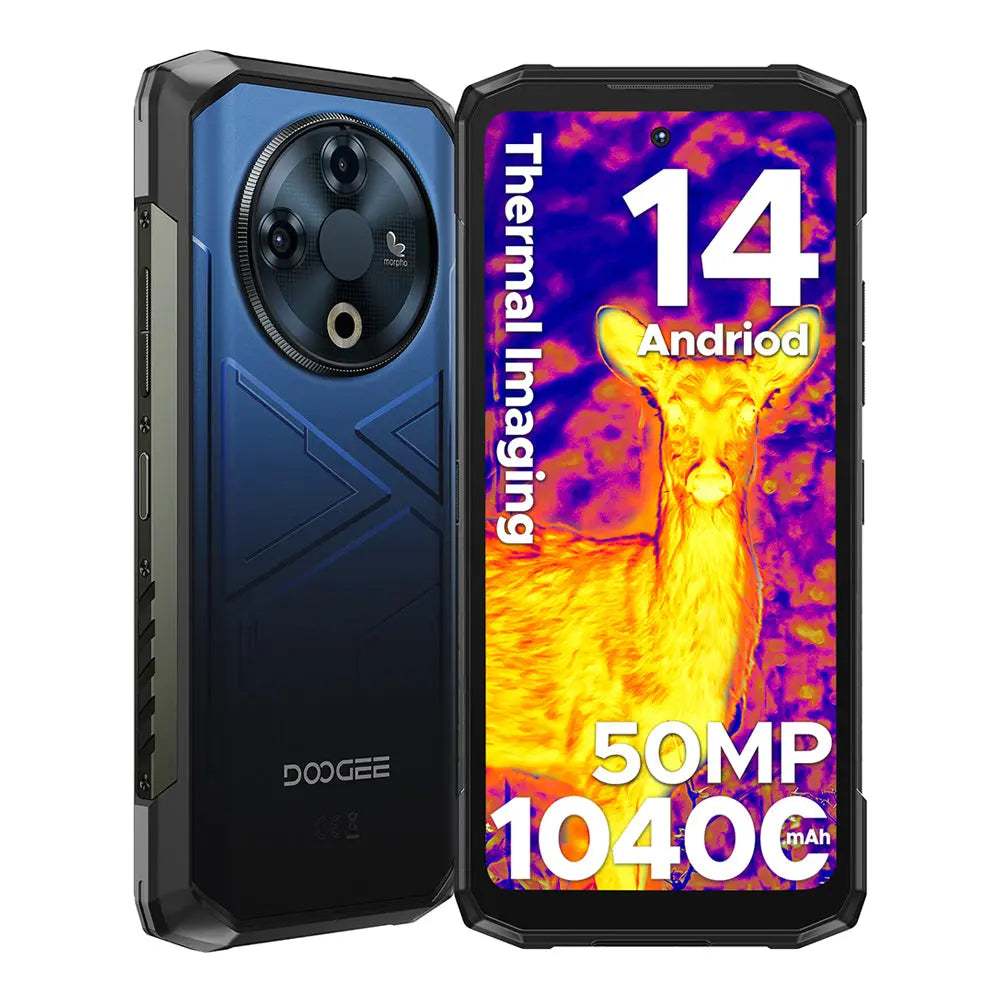
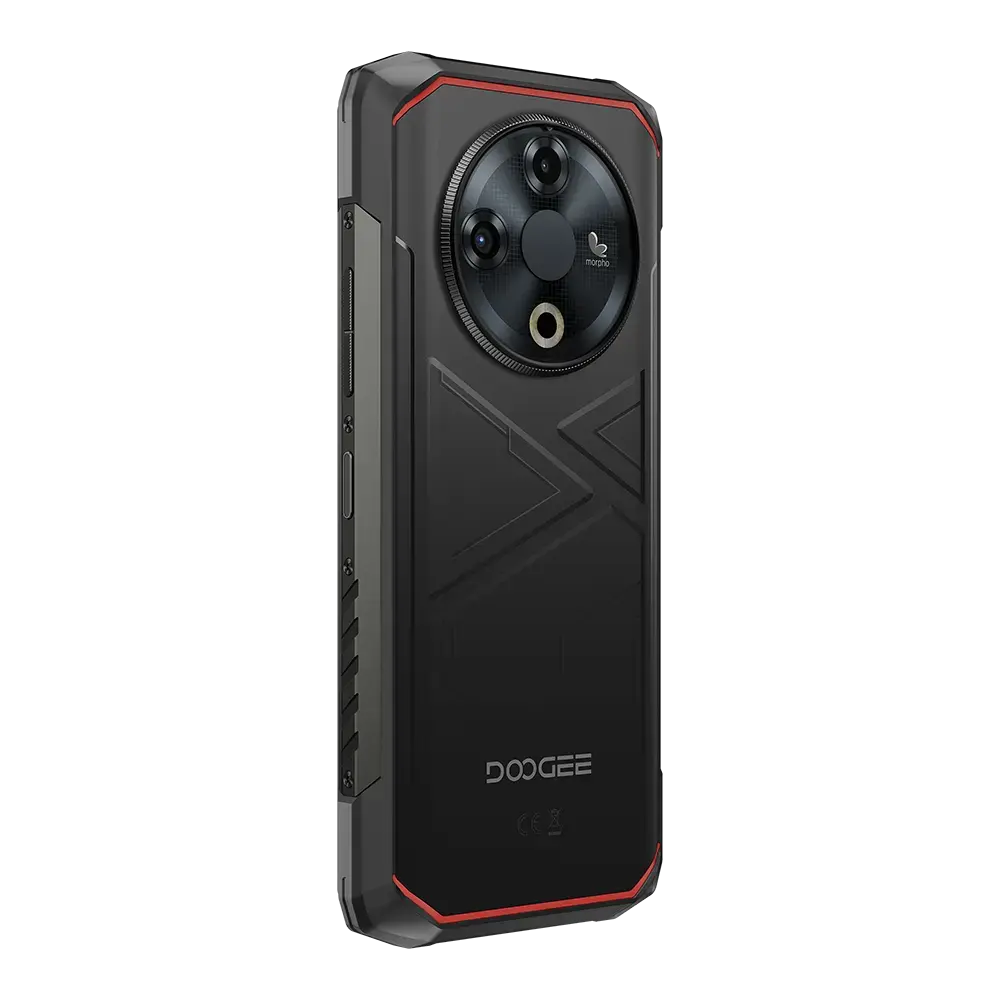

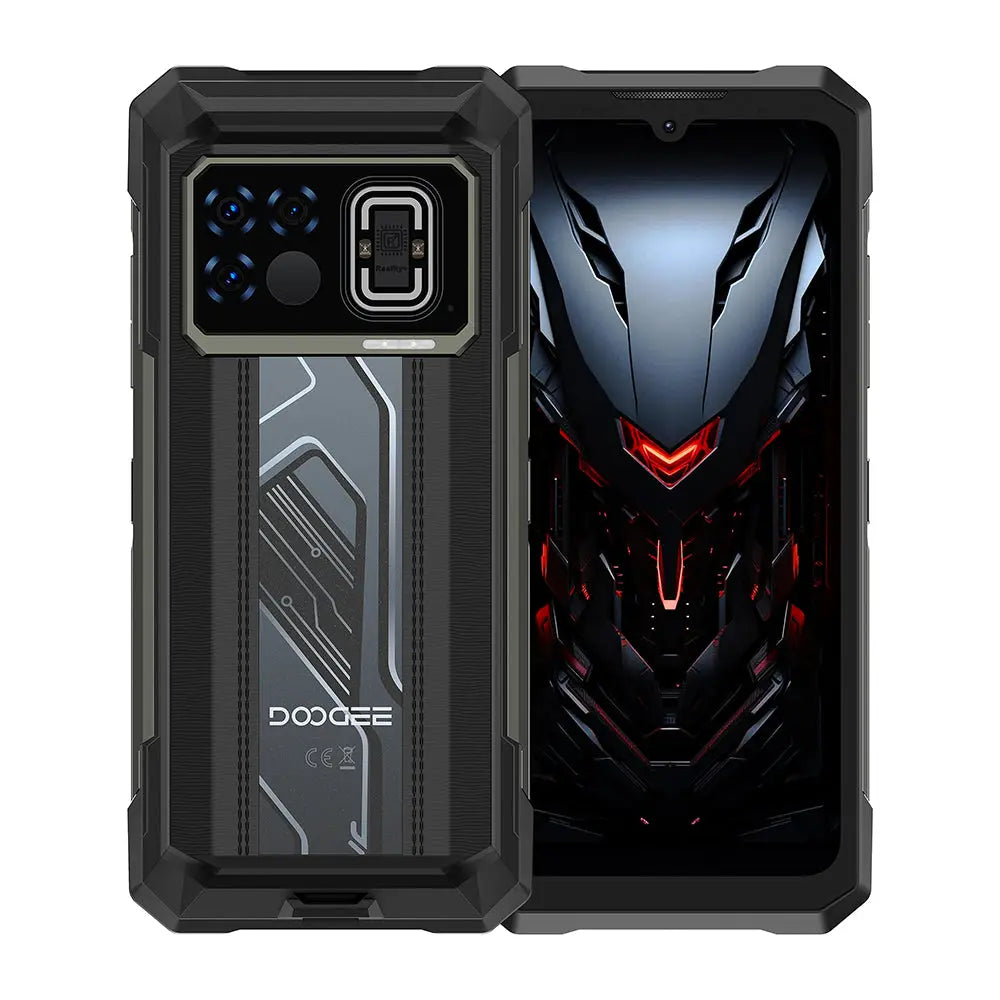
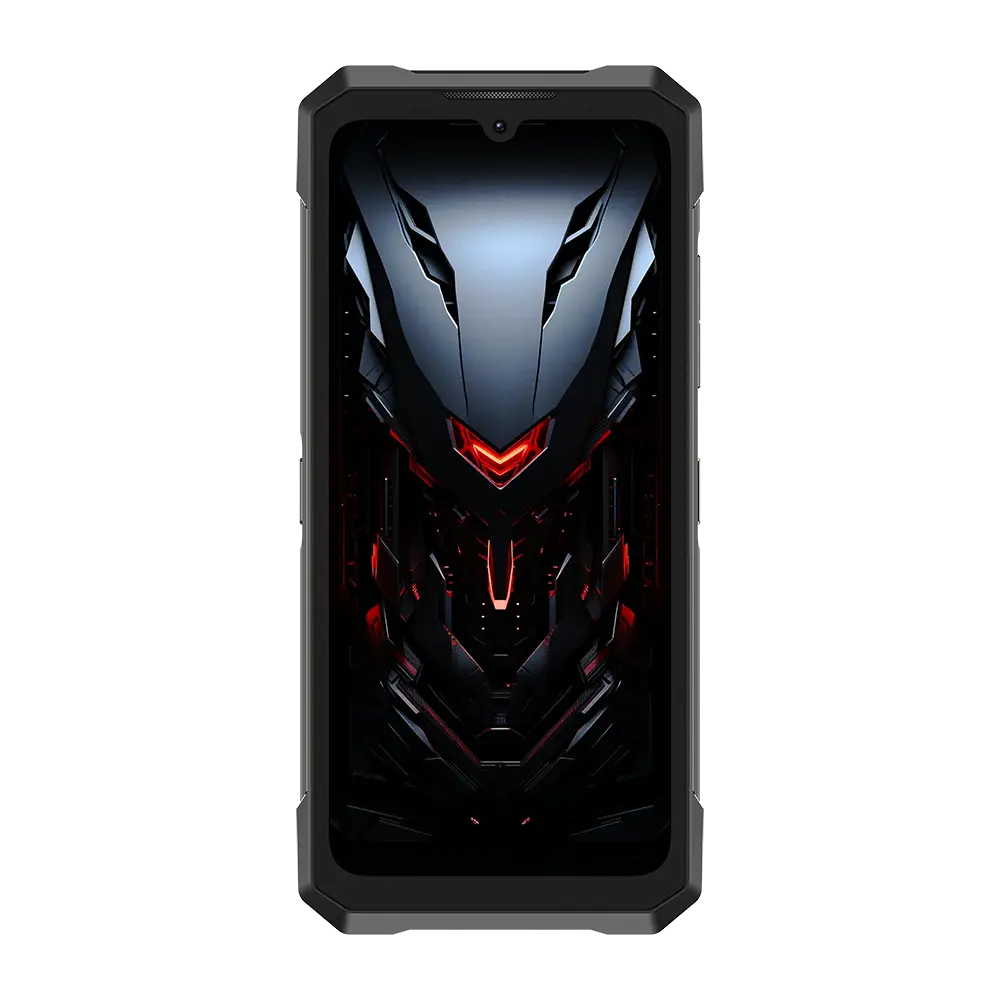
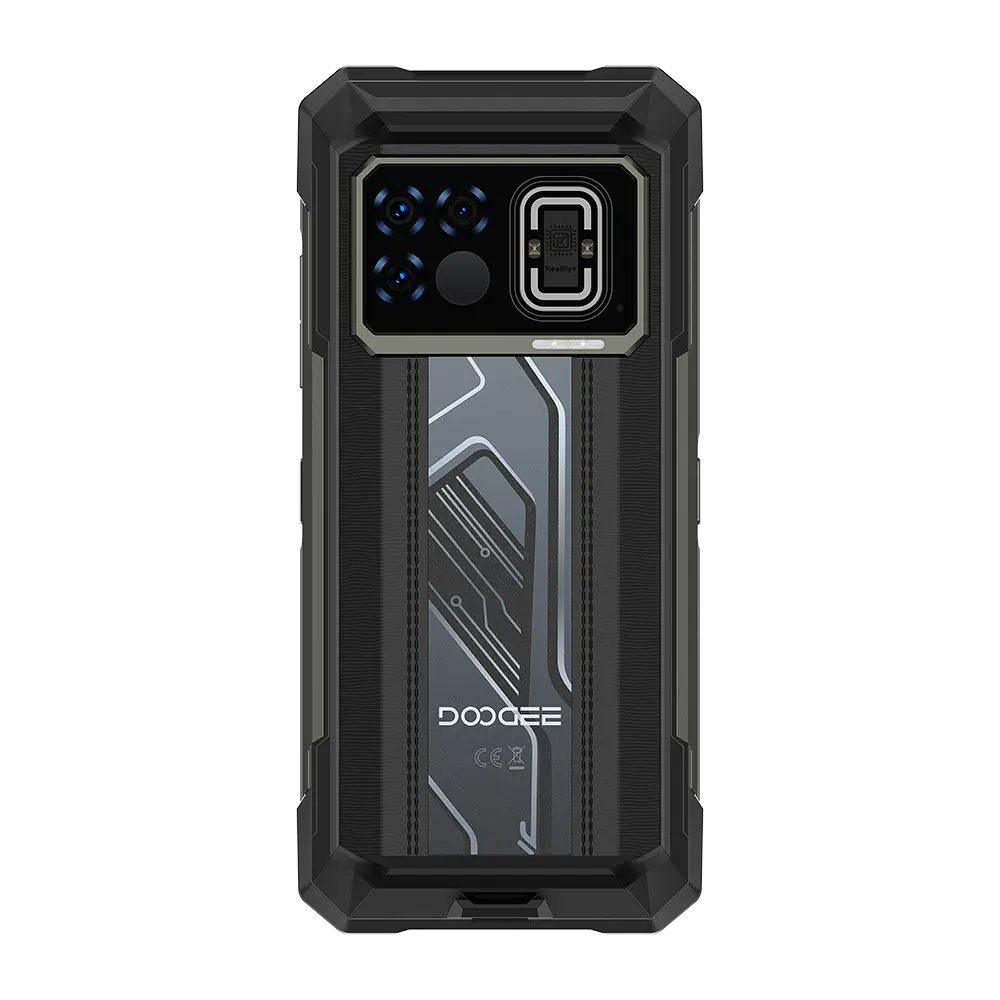
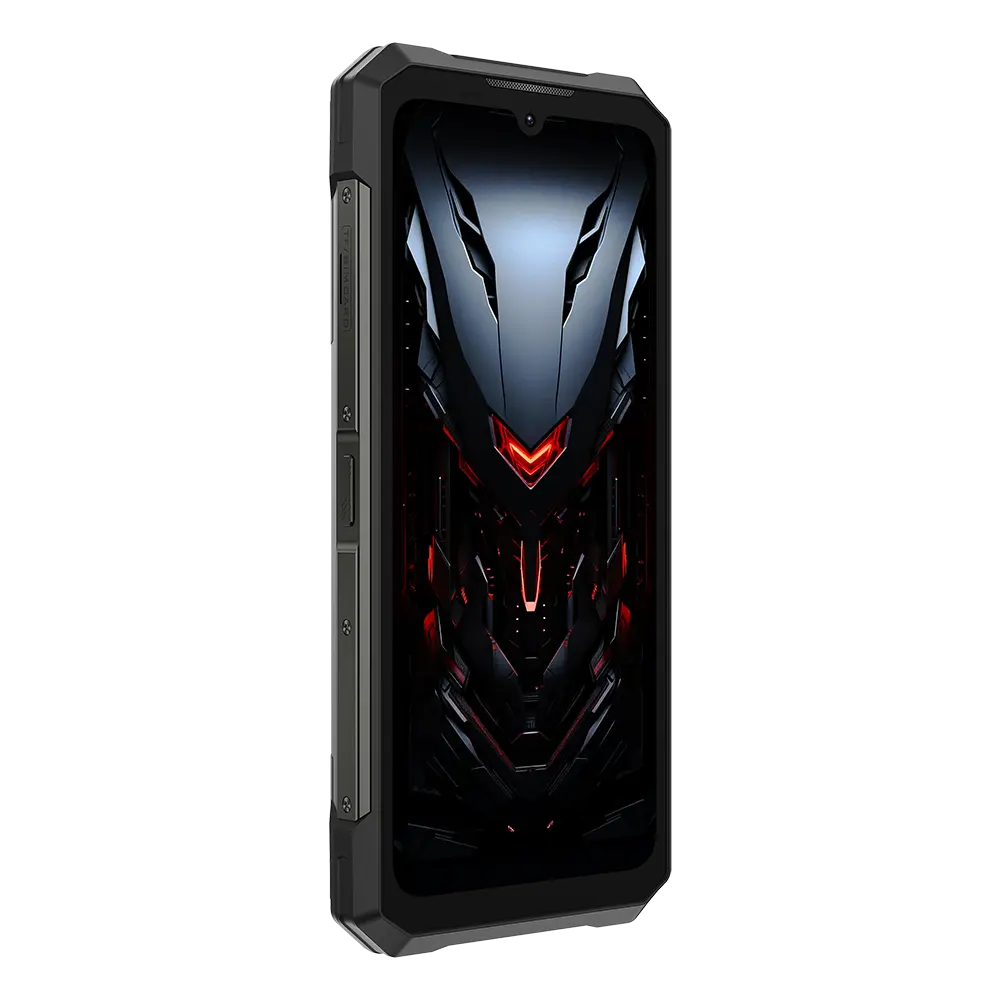


256 x 192 / fusion camera

66W Fast Charging

Flagship 4nm performance
64MP Night Vision
DOOGEE Thermal Camera Phone FAQ
Understand how thermal-imaging phones can support inspection, maintenance, outdoor observation, and troubleshooting.
What does a thermal camera on a phone detect?
A thermal camera visualizes differences in surface temperature rather than visible light. It can help locate heat patterns, cold spots, insulation issues, overheating components, or warm objects in low-visibility conditions.
Who should choose a thermal-imaging rugged phone?
Thermal imaging can be useful for maintenance technicians, electricians, HVAC work, building inspection, equipment checks, farming, and outdoor observation. Suitability depends on the sensor, temperature range, resolution, and required measurement accuracy.
Is thermal imaging the same as infrared night vision?
No. Thermal imaging visualizes heat differences, while infrared night vision illuminates a dark scene so the camera can record visible detail. Choose thermal imaging for temperature patterns and night vision for identifying shapes, objects, or people in darkness.
Can a phone thermal camera replace professional measuring equipment?
It is useful for screening and observation, but it should not automatically replace calibrated industrial, electrical, medical, or safety equipment. Review the model's stated accuracy and operating range and follow the requirements of your work.